
Christian Apologetics Books
Contemporary Christian Thought for Spiritual Growth
A theological exploration of Christian faith through historical, psychological, and biblical perspectives, designed to deepen spiritual understanding and inspire authentic Christian living in today’s world.
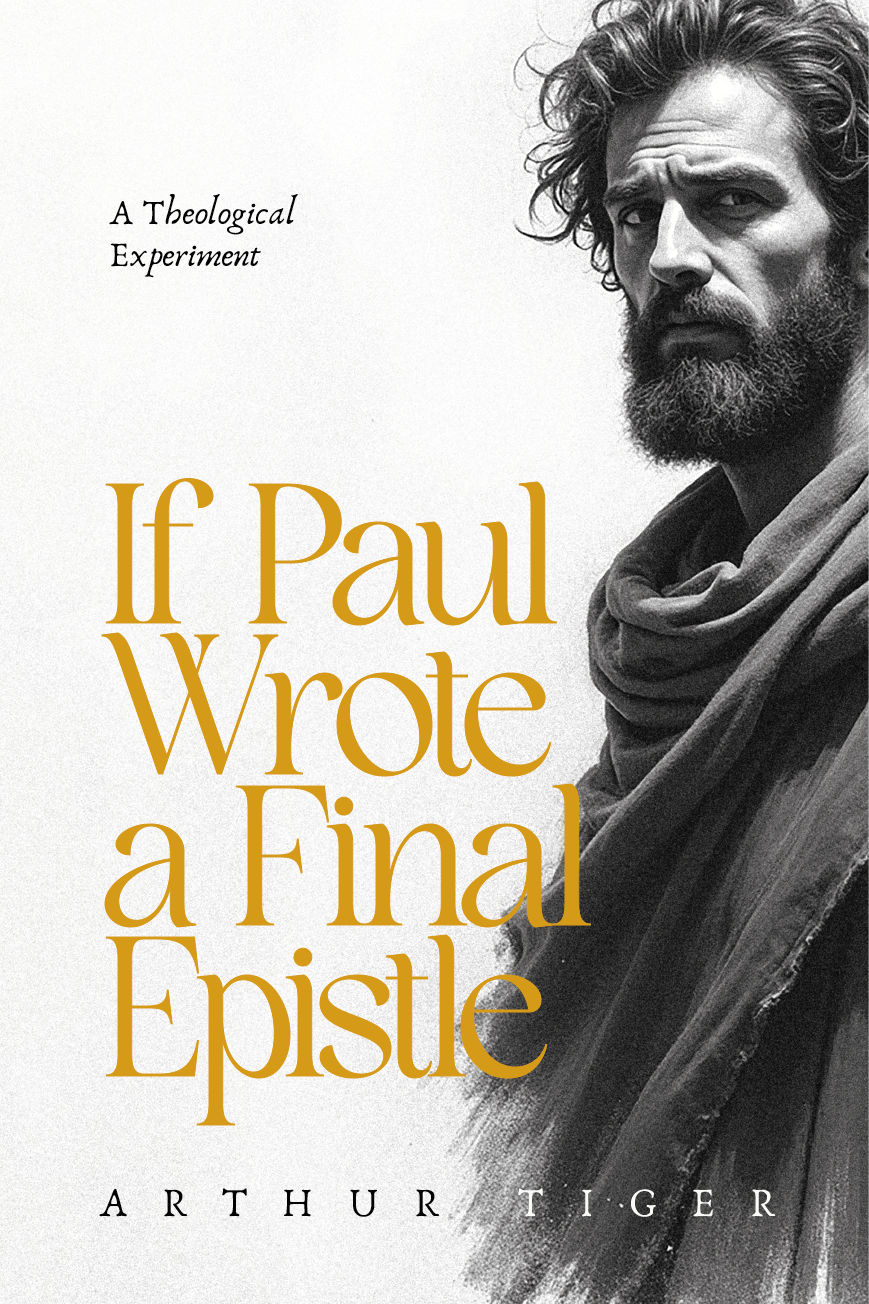
If Paul Wrote a Final Epistle
is a bold theological experiment that reconstructs what the apostle might have written as a final message to all believers before his martyrdom. Drawing entirely from authentic New Testament letters, the text addresses the universal church on themes of faith, unity, and practical Christian living in the face of modern challenges.
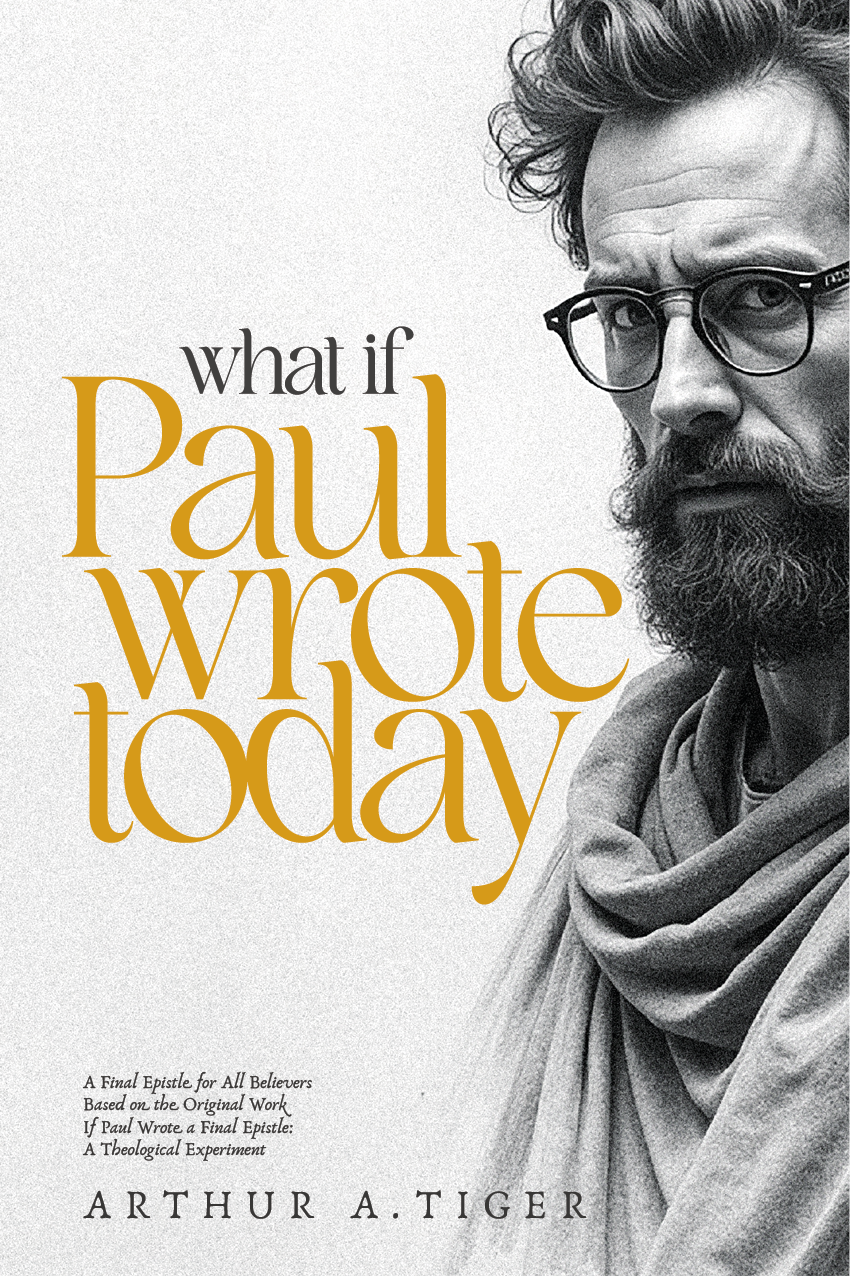
What if Paul Wrote Today
is an accessible adaptation of a scholarly experiment that reconstructs a hypothetical final letter from the Apostle Paul addressed to the global church across all generations. Composed entirely of Paul’s own words from his canonical epistles, the book synthesizes his life’s work into a powerful, unified message that highlights the remarkable coherence and enduring relevance of his theology for modern life.
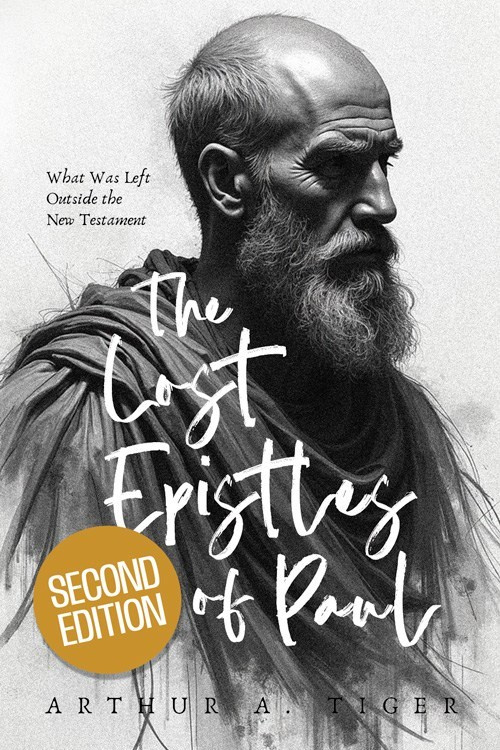
The Lost Epistles of Paul
investigates the letters mentioned in the New Testament that have vanished from history. Using scientific methodology and source analysis, the text seeks to uncover the “missing pieces” of the legacy of Christianity’s greatest theologian, helping readers understand the historical context of the early church.
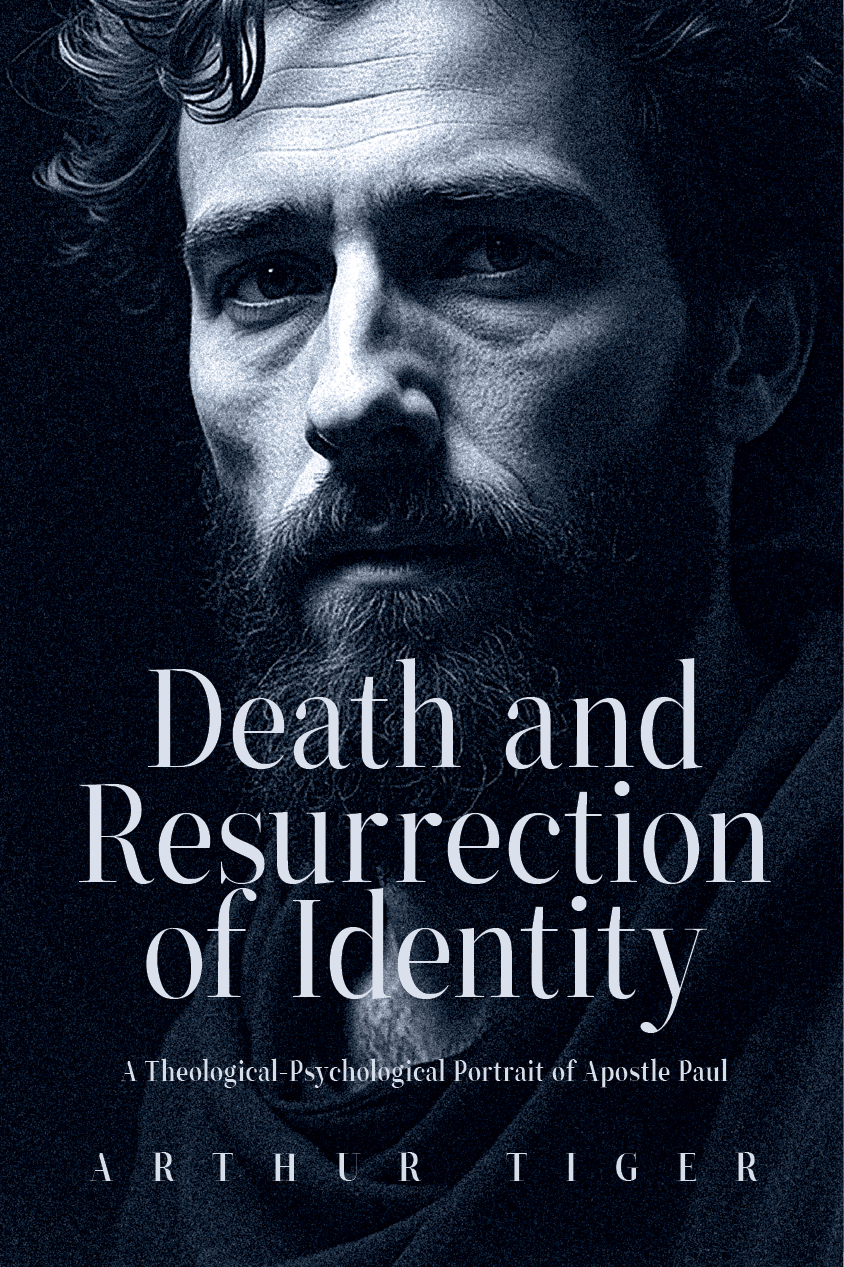
Death and Resurrection of Identity
offers a theological and psychological portrait of the Apostle Paul, specifically analyzing his radical transformation from a persecutor to the persecuted. The book explores how his new identity was built on grace rather than achievement, finding strength in vulnerability and service rather than domination.
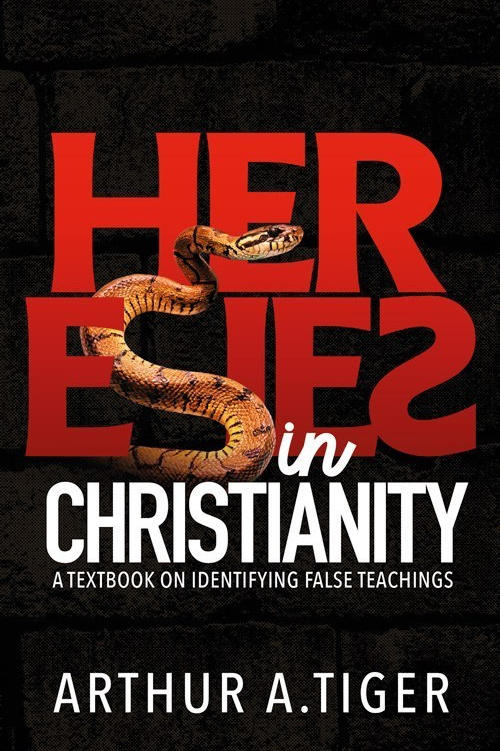
Heresies in Christianity
serves as a systematic textbook for identifying and responding to false teachings, from ancient Gnosticism to modern prosperity gospels. It analyzes the psychological and cultural factors that make certain errors attractive and provides a framework for defending the essential foundations of orthodoxy.
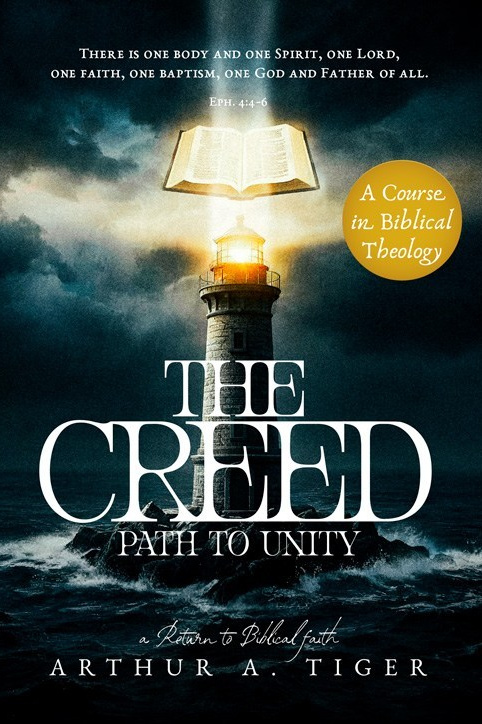
The Creed: Path to Unity
is a biblical theology textbook that evaluates historic confessions against Scripture to provide a clear anchor for faith in an age of unprecedented theological confusion. It proposes a biblically grounded creed focused on essential apostolic truths to foster genuine unity and provide a shared standard for the global church.
The Encyclopedic Handbook of Protestant Denominations and Deviations
complements historical research with a critical assessment of aberrant movements from a Reformed perspective. It categorizes historical traditions alongside contemporary sects and heretical teachings, offering a detailed analysis of doctrinal disagreements in the 21st century.
The Global Protestant Handbook Vol. I
is a massive academic reference covering the history, theology, and contemporary challenges of over 70 Protestant denominations. It provides a systematic analysis of global trends, confessional documents, and the future of Protestant Christianity worldwide.
The Global Protestant Handbook Vol. II
Hearing God: How to Recognize His Voice in a Noisy World
provides tools for discerning the divine voice amidst the ambient distractions of modern life. It explores prayer as a two-way dialogue and discusses how to remain faithful when God seems silent, emphasizing the adventure of being known by name.
Hello, God: A Journal of First Prayers
is a practical workbook that guides beginners through a seven-day program to develop a meaningful prayer life. It introduces various forms of dialogue with the Divine—including gratitude, petition, and listening—through creative exercises and ancient practices.
Dear God, It’s Me… Again
is a Protestant prayer book containing 365 original prayers — one for each day of the year. Honest and deeply personal, they cover the full range of a believer’s inner life: gratitude and doubt, joy and depression, worship and anger at God. No commentary, no teaching — just one prayer a day, written by a believer who knows what it means to struggle with words, with silence, and with grace.
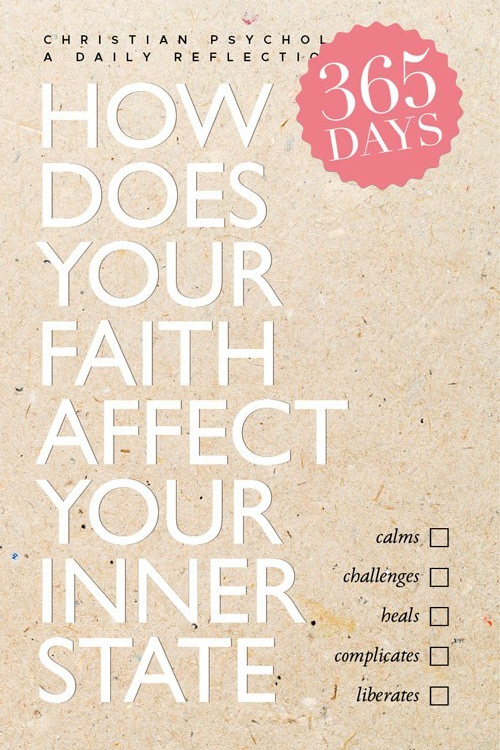
Christian Psychology: A Daily Reflection
is a 365-day devotional journal that bridges the gap between Protestant theology and psychological principles. It provides daily guidance for overcoming religious perfectionism and “invisible masks, ” encouraging readers to live in a rhythm of grace and rest.
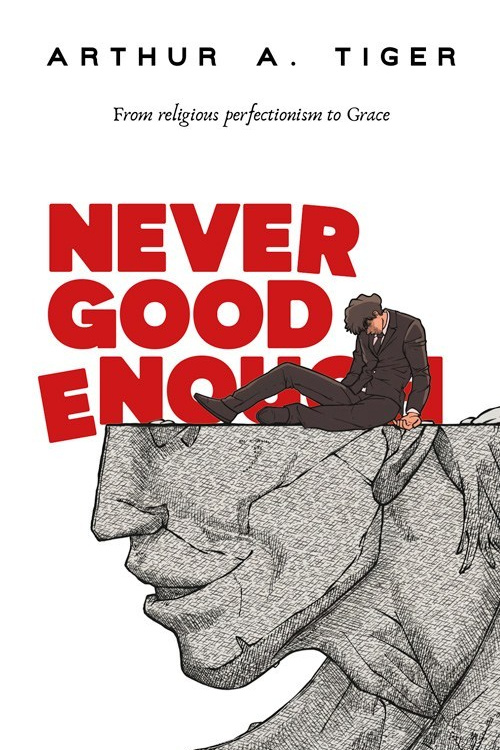
Never Good Enough: From Religious Perfectionism to Grace
is a deeply personal exploration of the struggle to “earn” God’s love. Drawing from the life of the Apostle Paul, it shows that the way to authentic transformation is not through higher performance but through embracing weakness and resting in the sufficiency of grace.
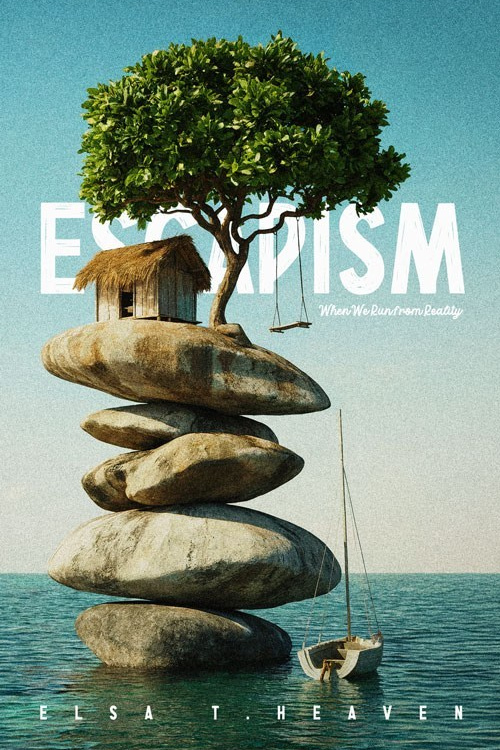
Escapism: When We Run from Reality
investigates the human tendency to seek refuge from life’s difficulties in digital media, fantasy, and distraction. Combining research with human stories, it offers practical tools to distinguish between healthy rest and destructive flight from authentic life, helping readers embrace the reality where God meets them.
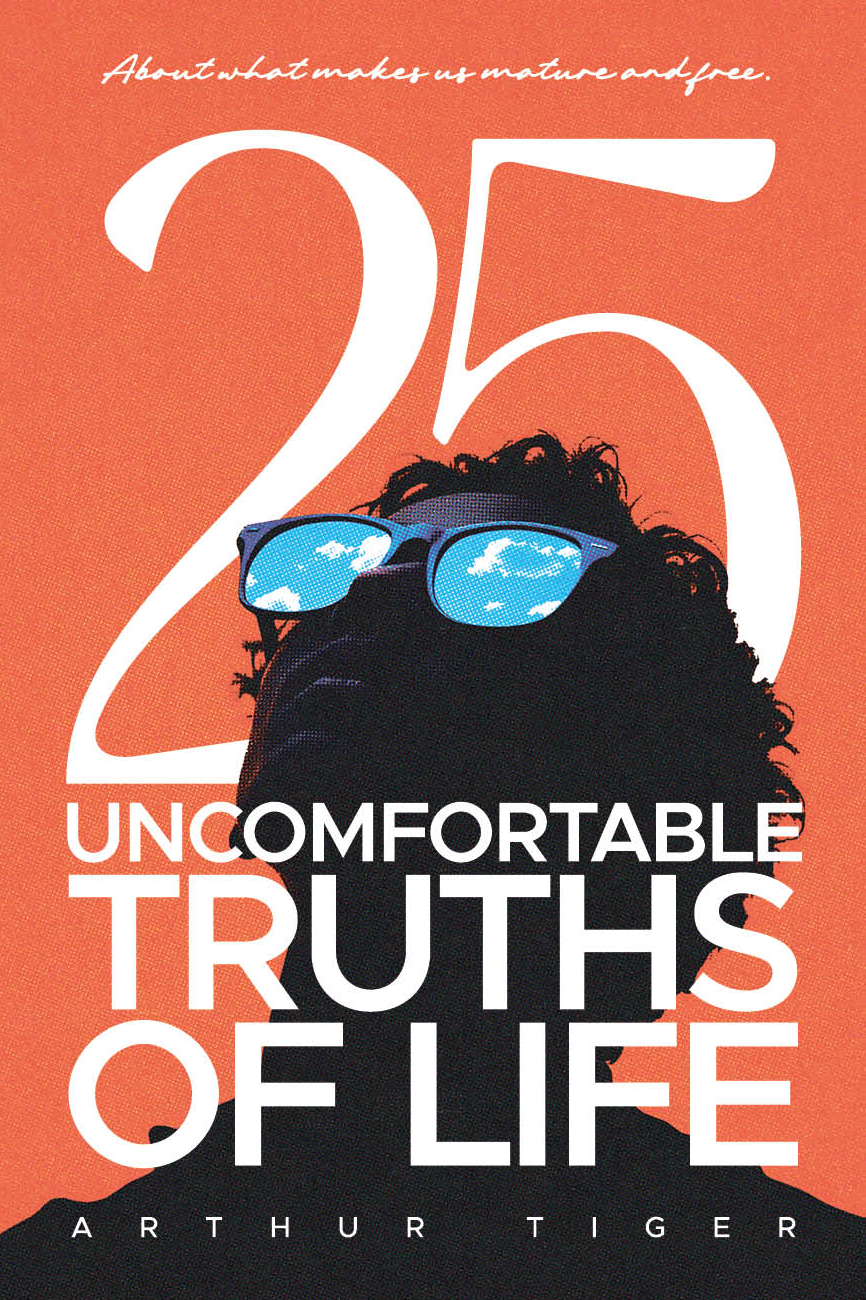
25 Uncomfortable Truths of Life
is a philosophical manifesto centered on the fundamental laws of existence, aiming to dismantle modern myths regarding justice, equality, and success. It provides a merciless analysis of reality without consolation, warning that the process may cause an existential crisis or a fundamental worldview transformation as it “dissects the corpse of illusions”.
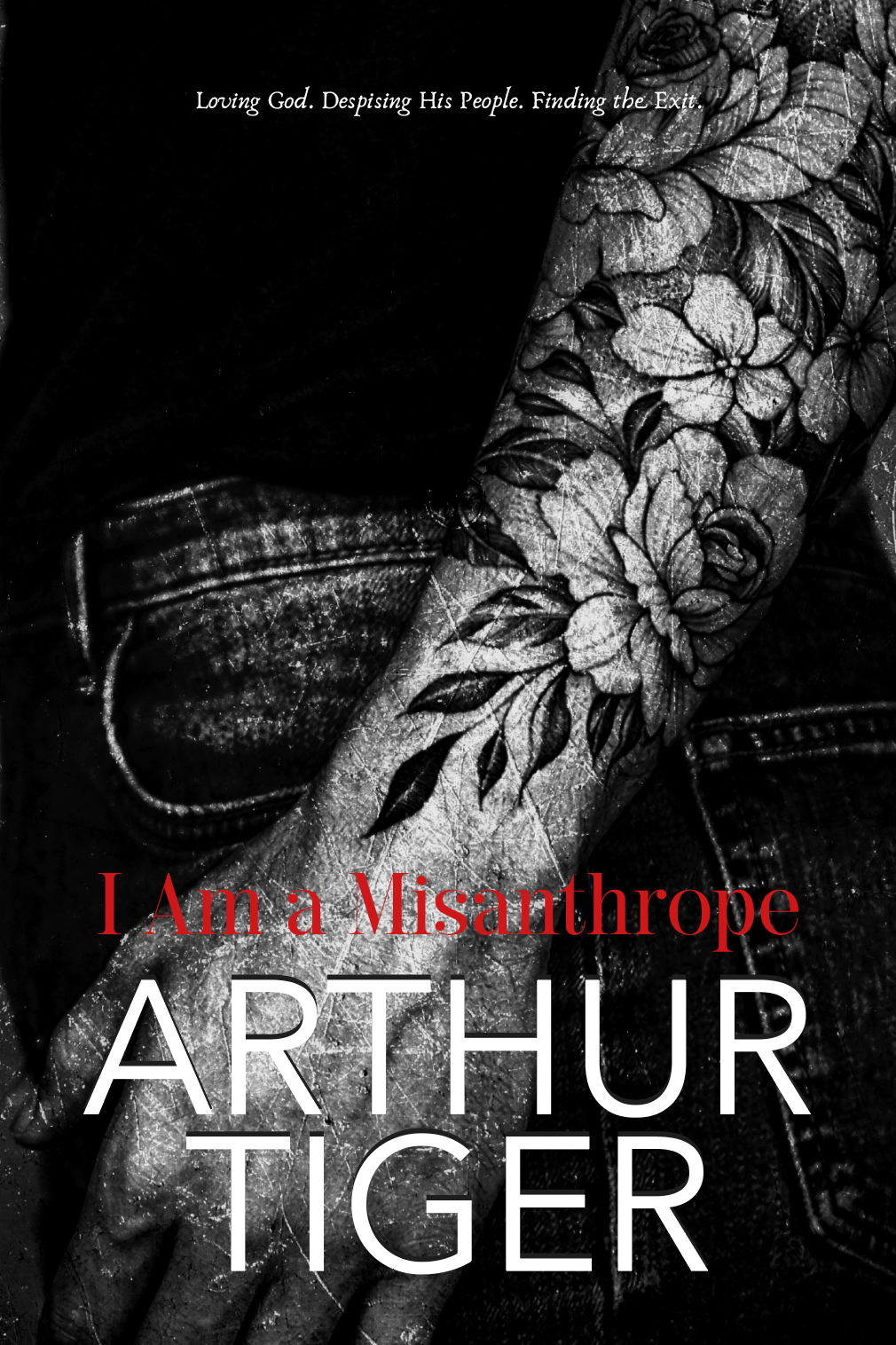
I Am a Misanthrope
offers a candid confession from a believer who finds human communities insufferable, viewing misanthropy not as a gift of discernment but as a specific spiritual pathology. It explores the “hall of mirrors” where the judge becomes the defendant, concluding with a daily decision to step down from a throne of judgment that belongs only to God and to choose presence over the comfortable solitude of pride.

The Trade: I wanted to be an astronaut, but…
reflects on the irreversibility of time and the uneven exchanges humans make when trading potential for comfort. Using the metaphor of a departing rocket, it examines the logic of life choices and regret, eventually addressing the ultimate exchange: what one is willing to trade for eternity.
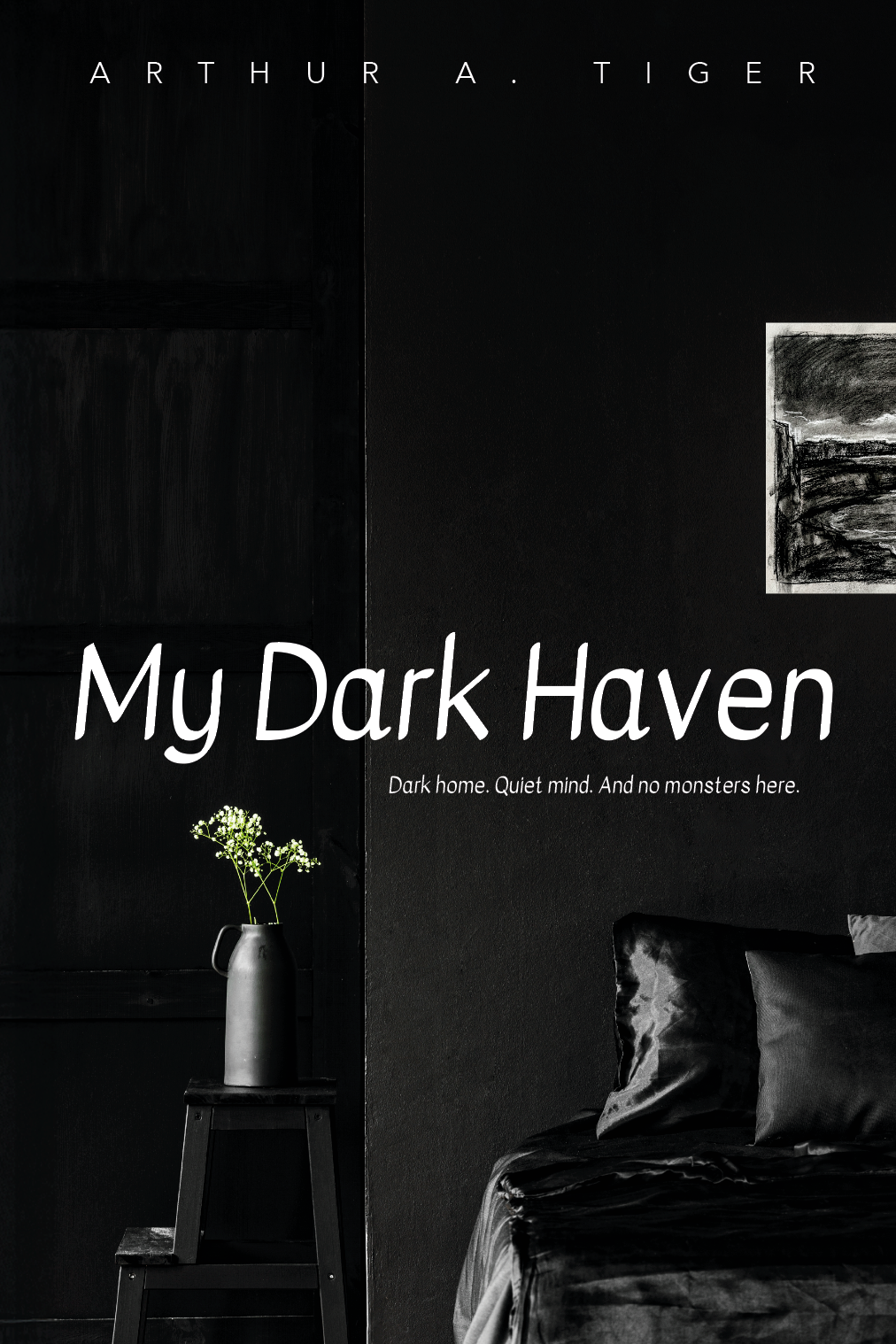
My Dark Haven: Dark home. Quiet mind. And no monsters here.
describes a journey toward inner peace through minimalism and privacy, using the physical reality of a “black house” as a refuge from a world of constant exposure. It argues that humans need “shade” and small shelters where they are not being interpreted or watched, allowing for deeper self-reflection and a quieter mind.
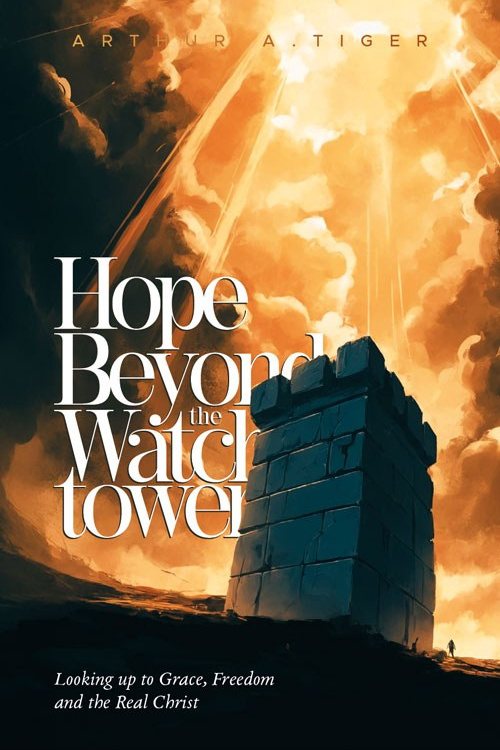
Hope Beyond the Watchtower
is a guide for those seeking to heal from the deceptions of the Jehovah’s Witnesses organization. It exposes the mechanisms of psychological control and theological distortions, redirecting readers toward the “true Christ” of Scripture and the freedom found in grace alone.
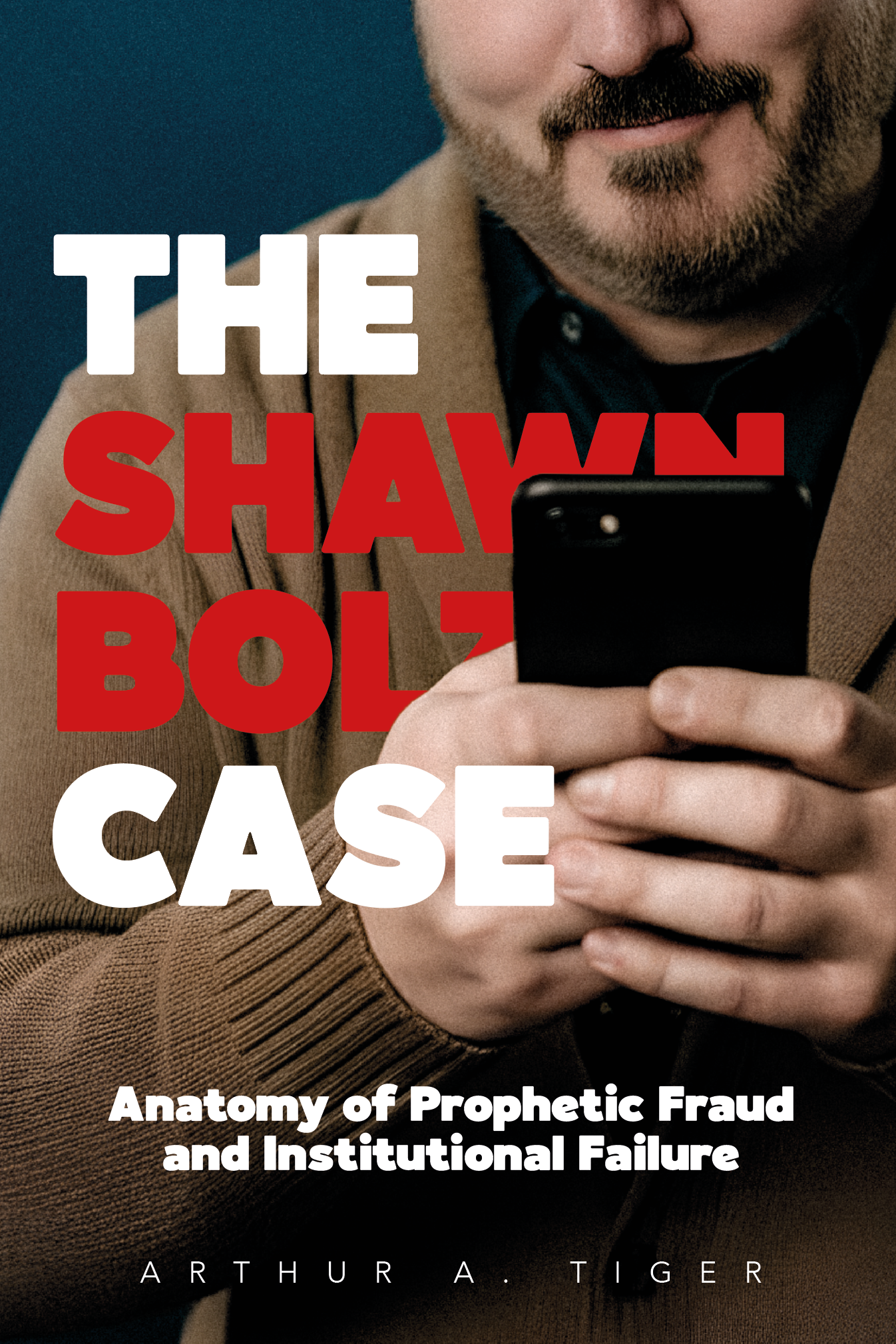
The Shawn Bolz Case
provides a systematic analysis of “prophetic fraud” within modern charismatic movements, documenting how digital reconnaissance and social media data were presented as supernatural revelation. It examines the institutional silence and “unsanctified mercy” that allowed known deception to persist for years, ultimately calling for structural reform and a return to biblical standards of pastoral responsibility.
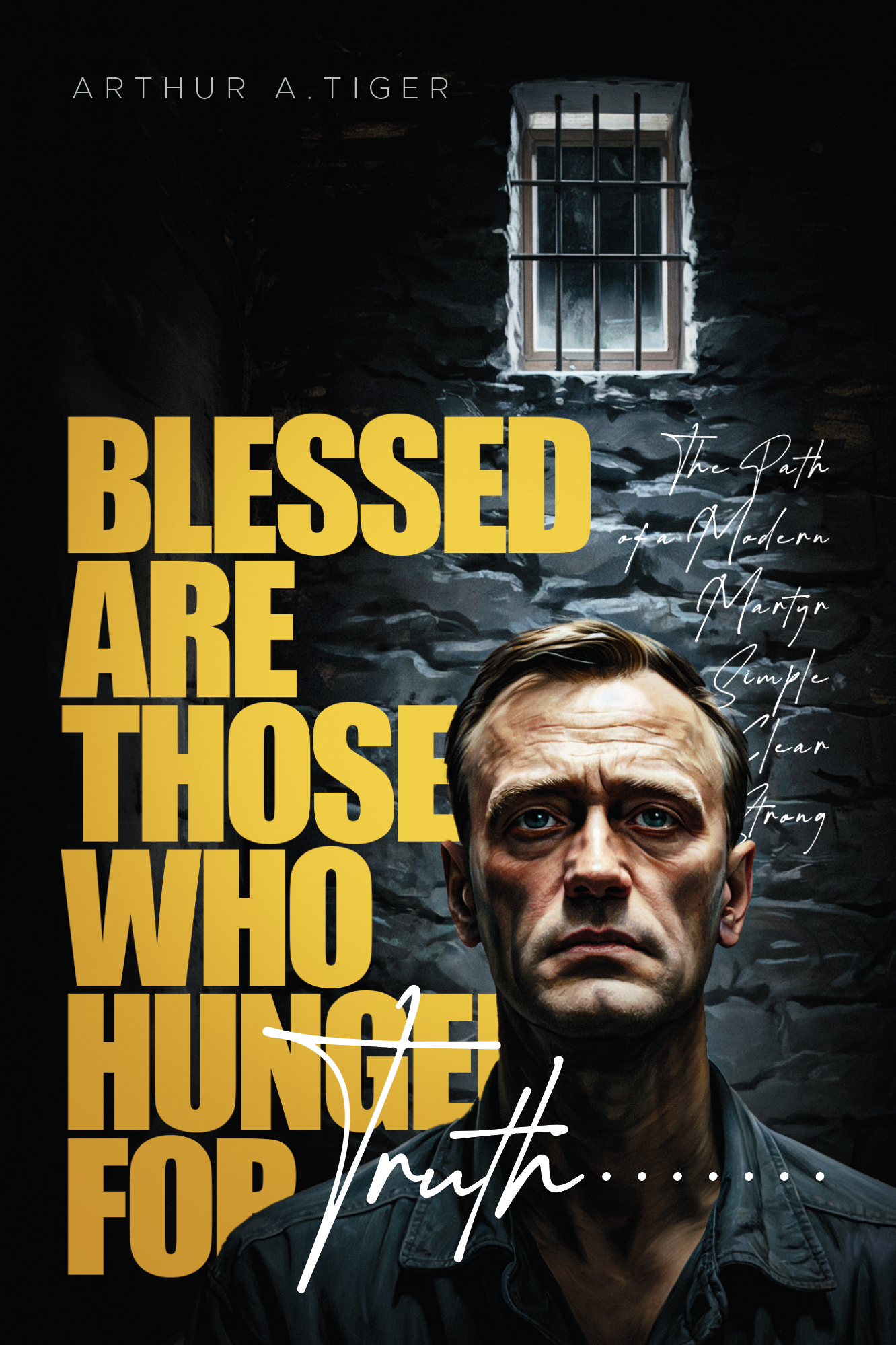
Blessed Are Those Who Hunger for Truth
analyzes the life and death of Alexei Navalny as a modern martyr who practically embodied the Sermon on the Mount. The book contrasts his path of sacrifice and internal freedom with political corruption and “palaces” challenging believers to consider what it truly means to carry a cross in the 21st century.
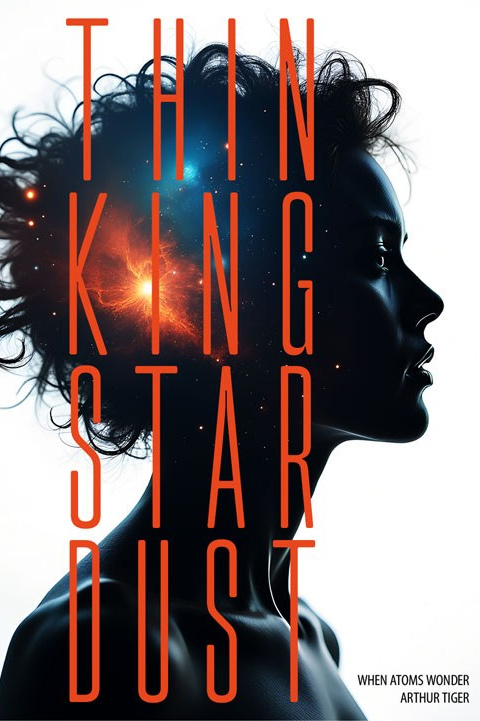
Thinking Stardust: When Atoms Wonder
contemplates the paradoxes of human existence by examining how a collection of ordinary chemical elements acquired the capacity for consciousness. Drawing from cosmology and neuroscience, it investigates whether mind might be a fundamental feature of the universe and explores the tension between physical laws and the feeling of free will.
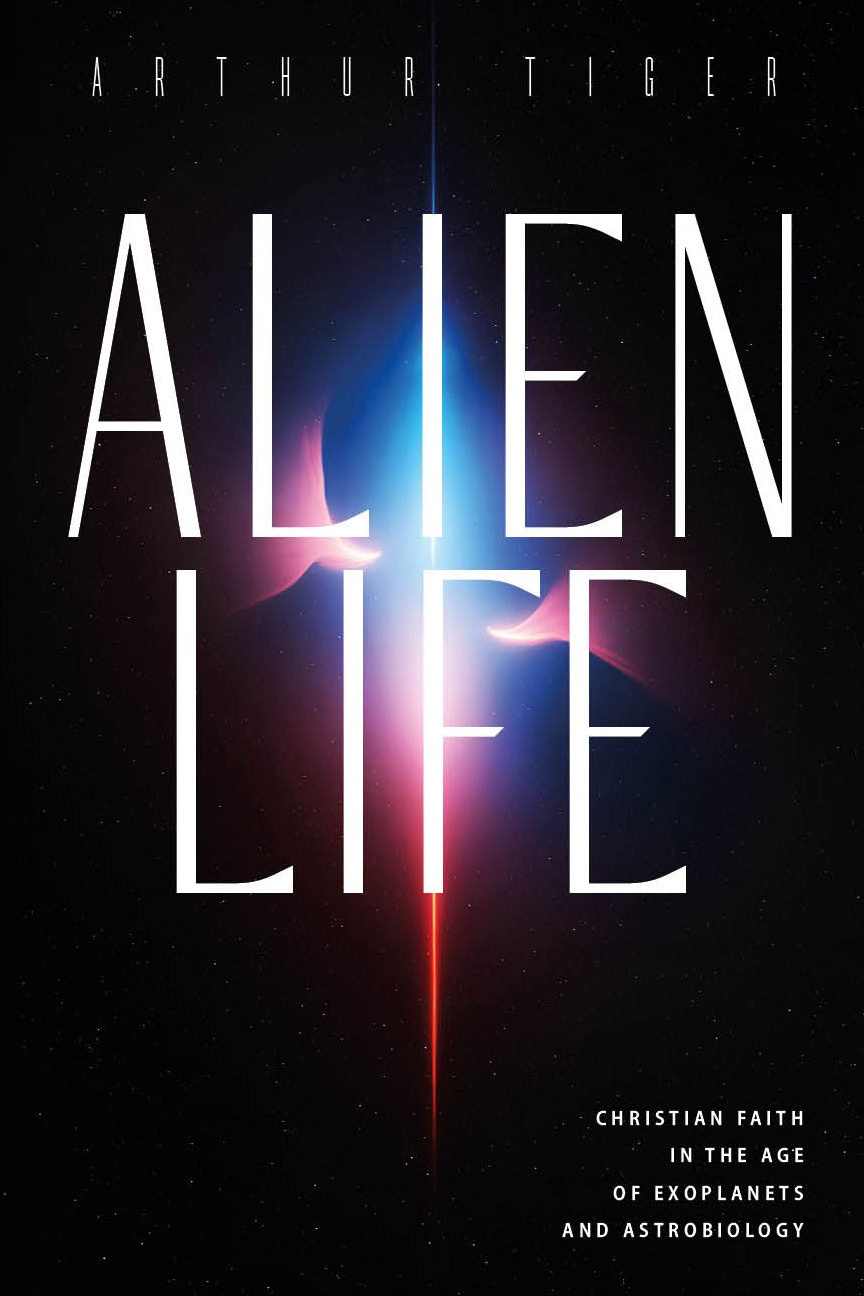
Alien Life: Christian Faith in the Age of Exoplanets and Astrobiology
explores the intersection of biblical truths and modern space exploration, specifically focusing on findings from the James Webb Space Telescope. It offers a balanced perspective on the possibility of extraterrestrial intelligence, demonstrating that such scientific discoveries do not contradict faith but can deepen the understanding of the Creator’s majesty.
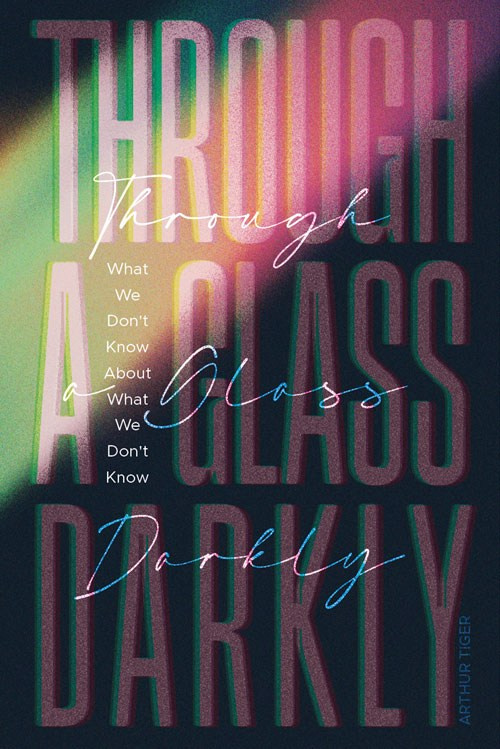
Through a Glass Darkly: What We Don’t Know About What We Don’t Know
focuses on the extreme limitations of human perception, noting that we understand only a fraction of a universe composed mostly of mysterious dark matter. It argues that recognizing these knowledge boundaries is not a failure but an invitation to reasonable faith, suggesting that reality is far richer than our five senses can detect.
The Physics of Faith
explores the intersection of modern cosmology and ancient theology, arguing that discoveries like dark matter and quantum mechanics can deepen rather than diminish faith. It navigates the tensions between a universe trending toward heat death and the promise of new creation, inviting a critical dialogue where science addresses mechanism and faith addresses meaning.
There Is No God! A Journey from Skepticism to…
charts an intellectual and spiritual path from a provocative declaration of unbelief to a transformed engagement with reality. The text navigates through scientific and ethical considerations, eventually proposing a “third way” that avoids both dogmatic religion and reductive materialism to honor life’s deeper dimensions.
Did God Create T-Rex? Digging for Truth Between Genesis and the Jurassic
provides a comprehensive review of various Christian perspectives on dinosaurs, including young-earth, old-earth, and theistic evolutionary models. It aims to equip readers to navigate the challenging intersection of paleontology and biblical faith, treating each viewpoint with fairness and respect.
a/theism: An Honest Comparison of Two Ways to Live
serves as a rational evaluation of the atheist and Christian worldviews, moving past “gotcha” questions to ask a simpler one: which one works better? Drawing on research and observable data, it examines which framework provides a more robust foundation for meaning, morality, and resilience during life’s most difficult moments.
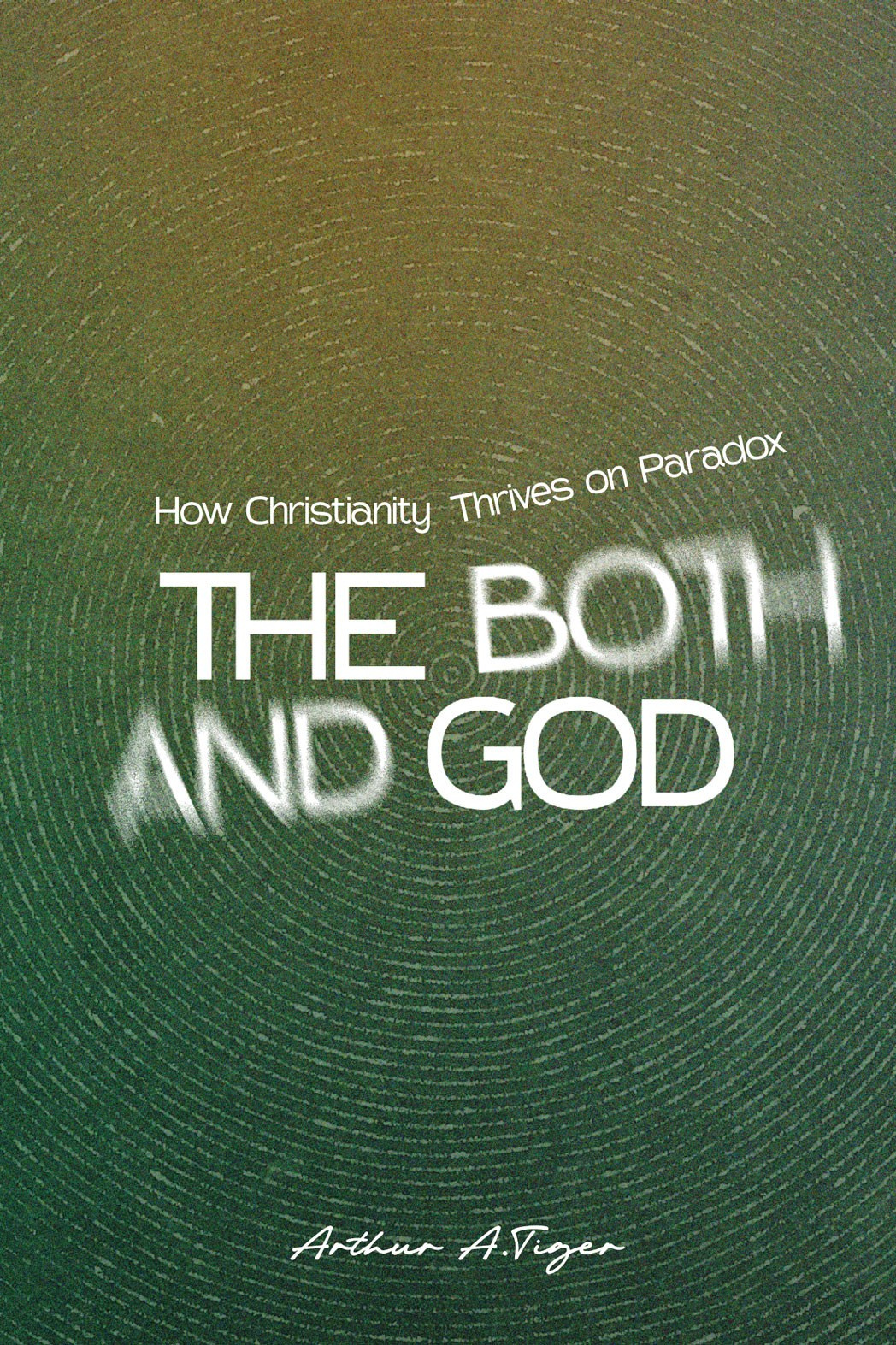
The Both/And God: How Christianity Thrives on Paradox
explores the apparent contradictions of faith, such as the “crucified God” and why faith often requires doubt. It argues that mystery is not an enemy of truth but a necessary companion for a God who transcends human categories, inviting readers to embrace these creative tensions.
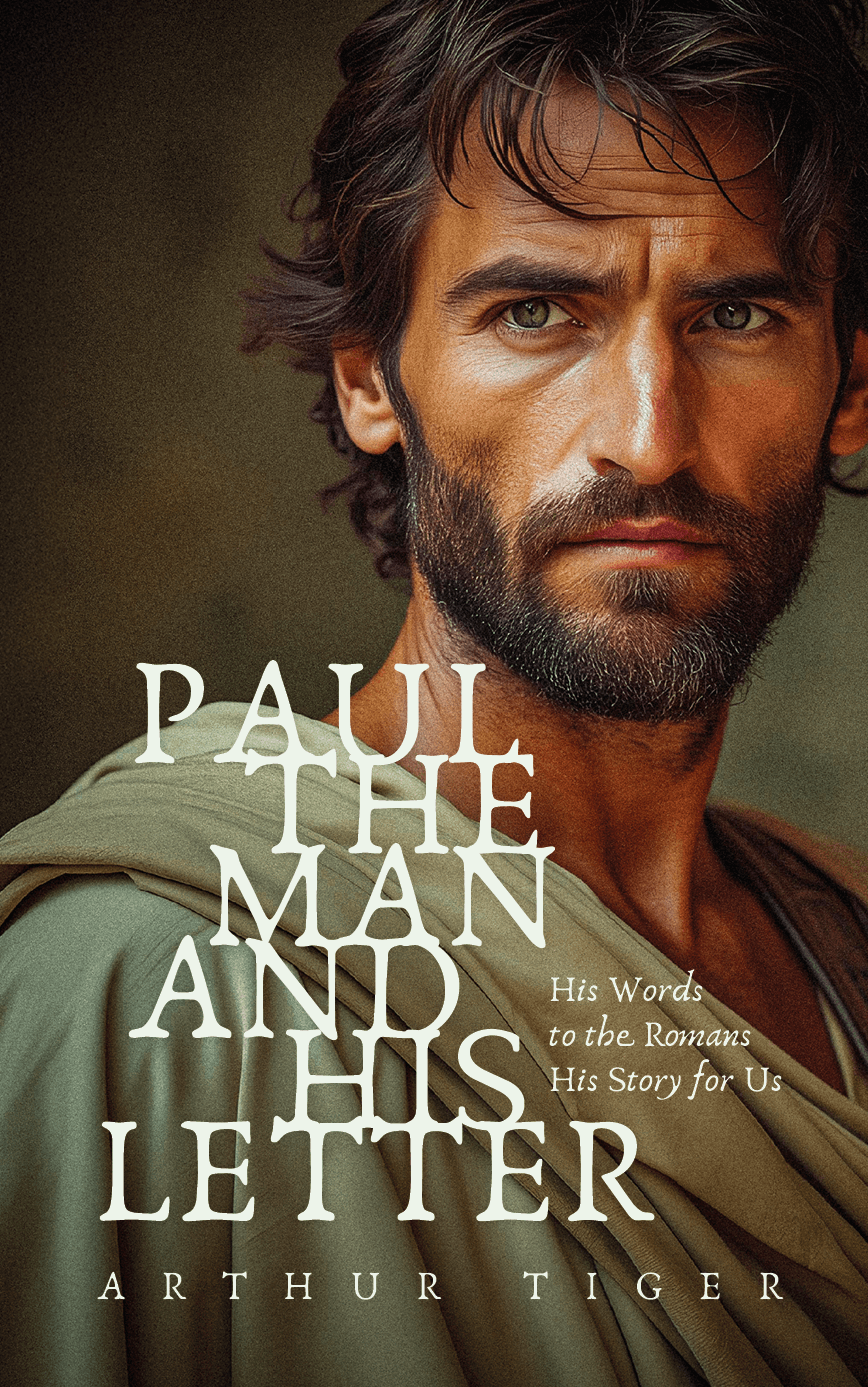
Paul: The Man and His Letter
is a reflection on the Epistle to the Romans, designed to make the apostle’s ancient words accessible and transformative for modern readers. It delves into the personality and faith of Paul, exploring how his insights into justification and faith can deepen contemporary spiritual life.
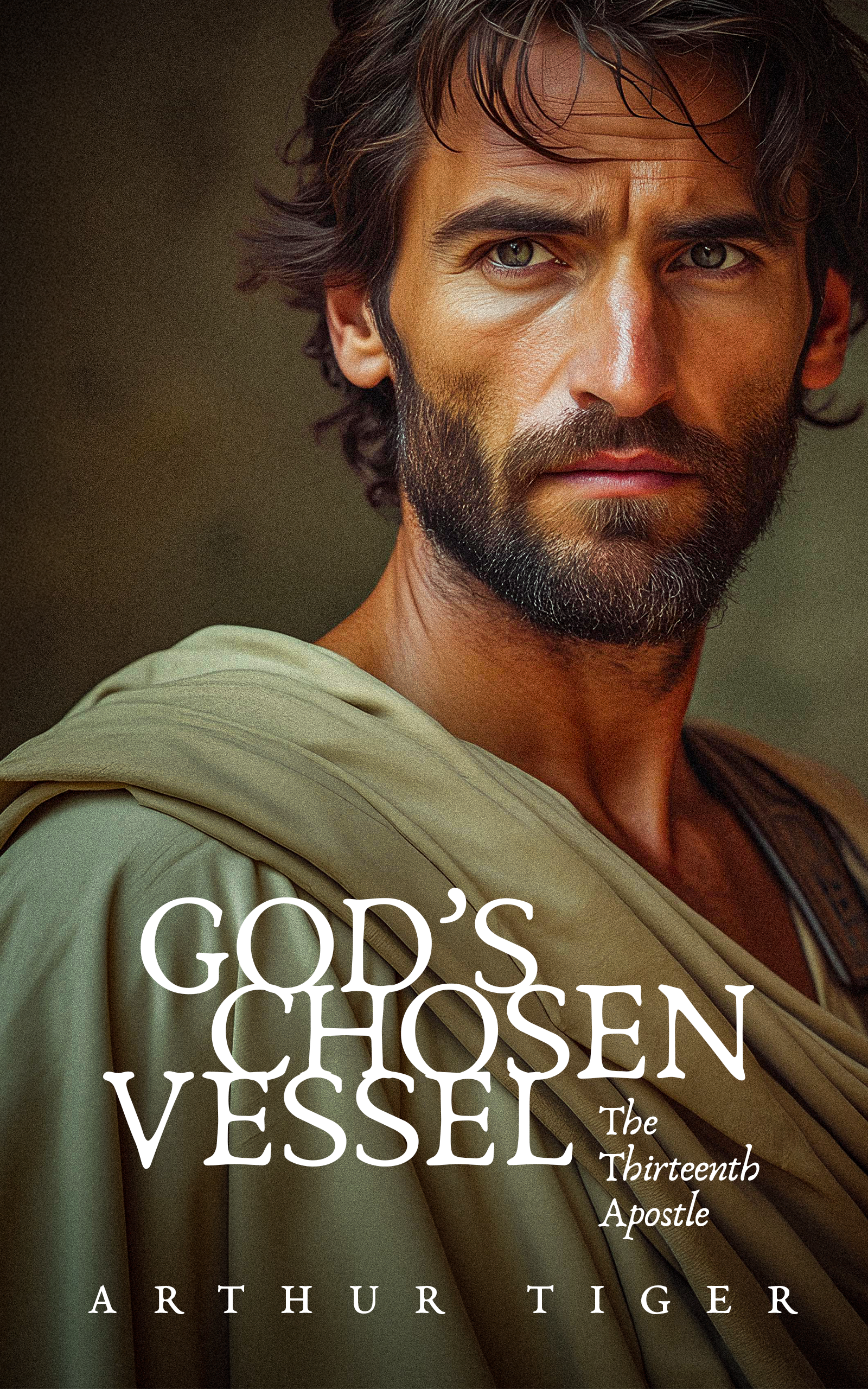
God’s Chosen Vessel
is a literary narrative that recreates the inner world of the Apostle Paul, tracing his transformation from a zealous persecutor to a “chosen vessel” of grace. By blending historical context with biblical facts, the book captures the psychological depth of his journey from the road to Damascus to his final days in a Roman prison.
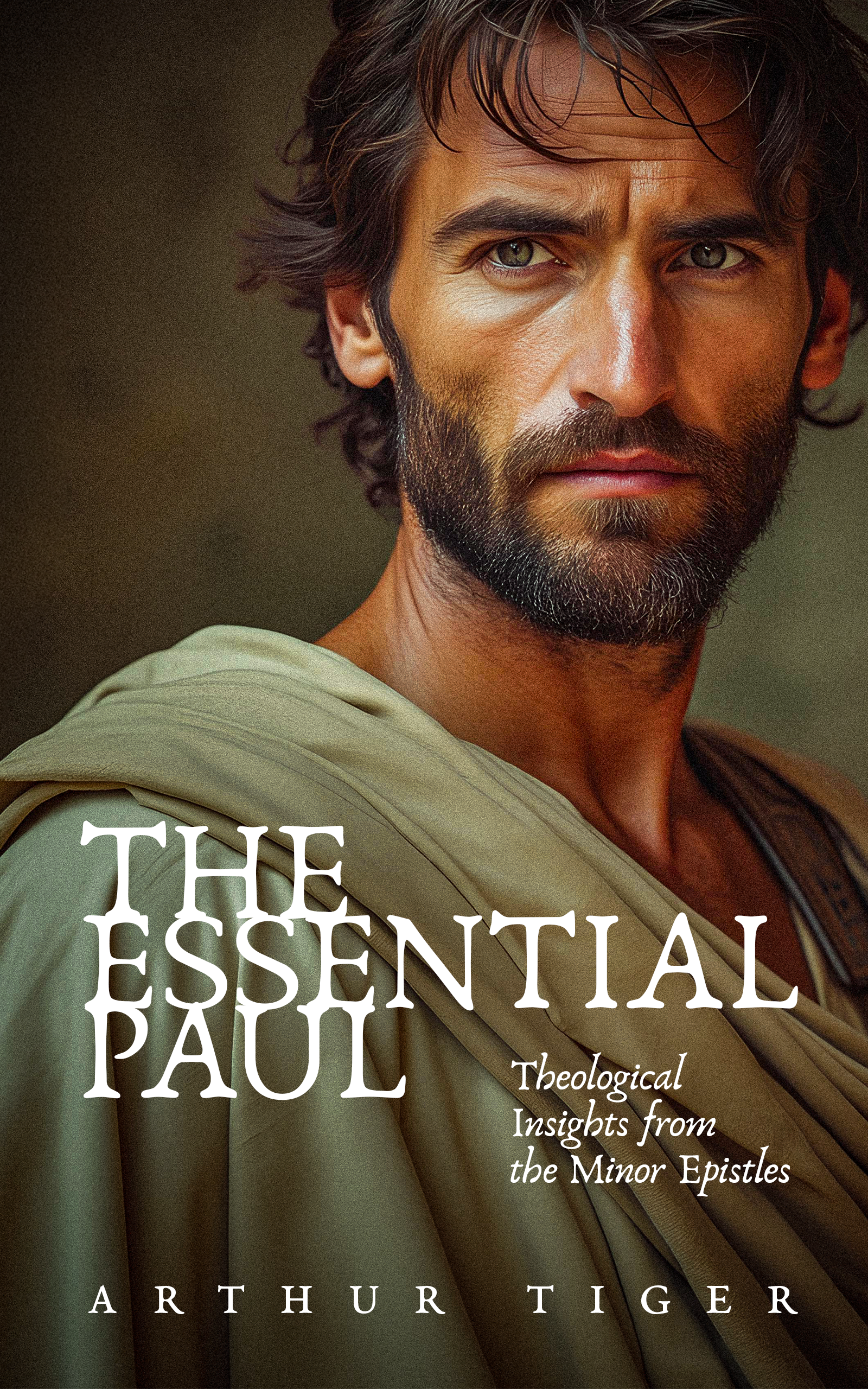
The Essential Paul
focuses on the overlooked theological and pastoral richness of the “minor” epistles—Thessalonians, Philippians, Colossians, Philemon, and Titus. It demonstrates how these concise letters address major questions of faith, leadership, and the supremacy of Christ, revealing how ancient wisdom remains remarkably relevant for the contemporary church.
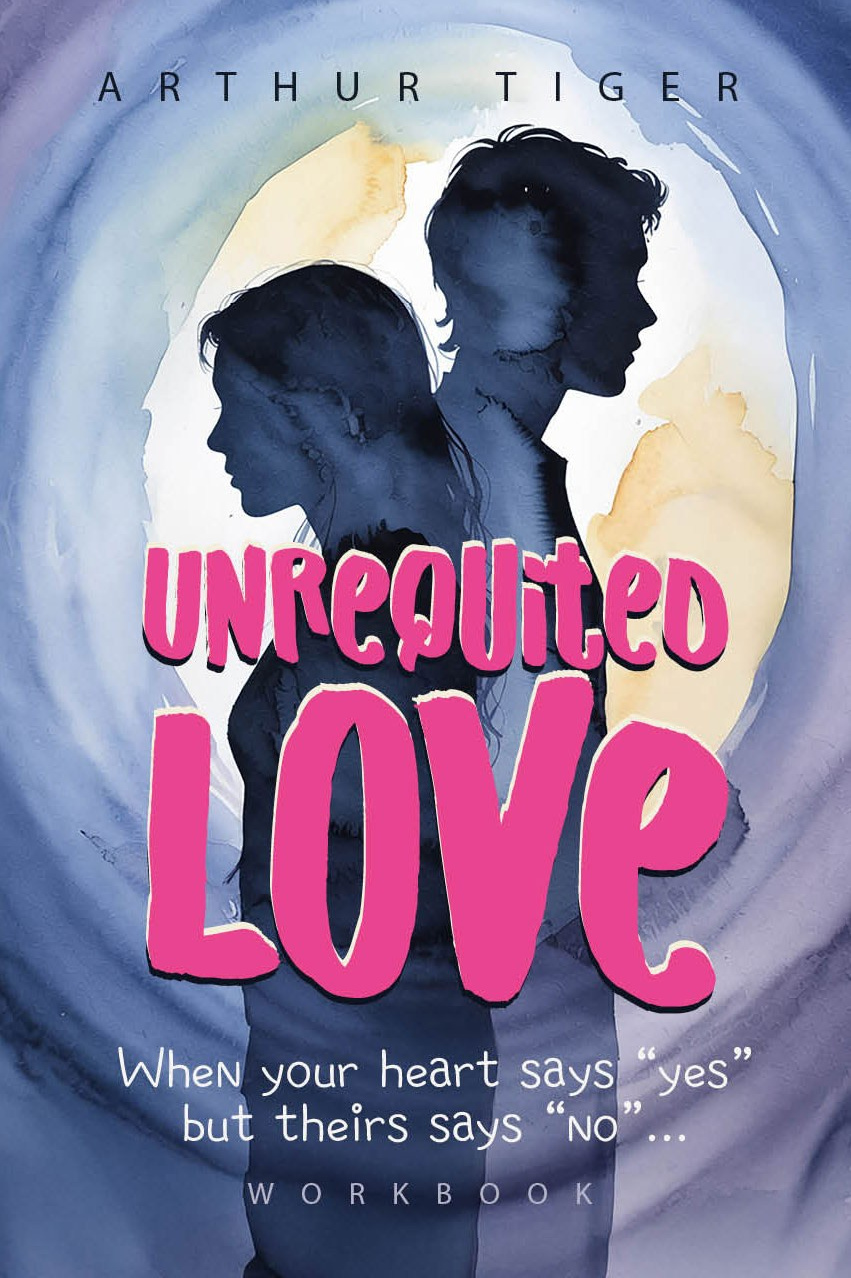
Unrequited Love
is a specialized workbook for those experiencing the “crushing weight” of one-sided love. It helps readers understand why rejection causes such deep emotional pain and offers steps to transform that trauma into an opportunity for personal growth and self-acceptance.

Cracks That Let the Light In
explores the process of becoming whole by embracing imperfections and vulnerabilities. It is framed as a heartfelt journey into self-acceptance, suggesting that it is often through our personal “cracks” that authentic light and healing enter the soul.
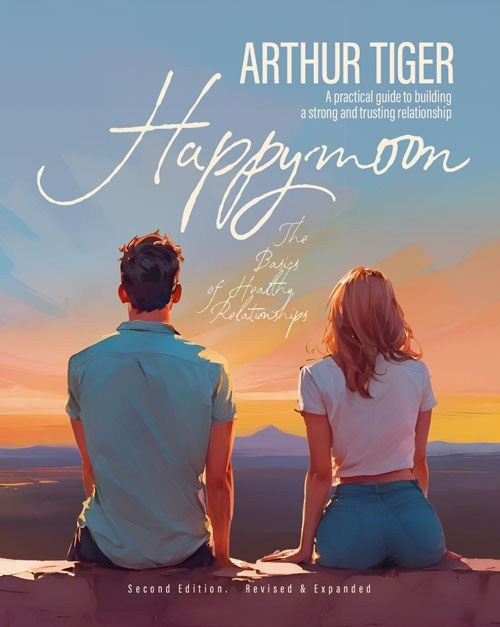
Happymoon: The Basics of Healthy Relationships
is a practical guide to building strong and trusting partnerships by confronting the “basics of reality” in a relationship. It warns against poisoning a companion’s life by ignoring one’s own mistakes and offers tools for couples to overcome crises through radical honesty and mutual acceptance.
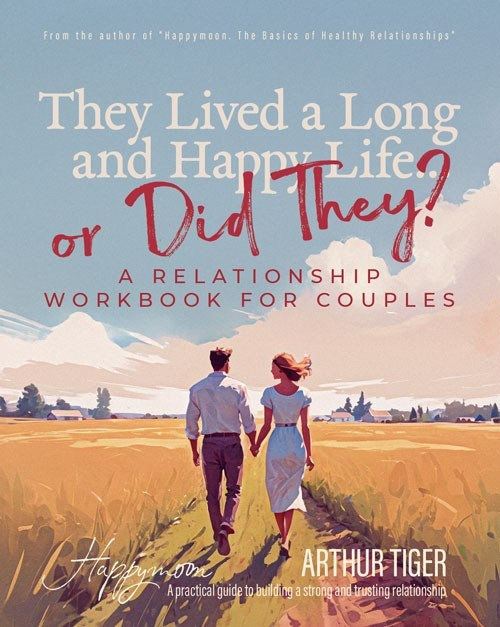
They Lived a Long and Happy Life… Or Did They?
is a relationship workbook for couples that focuses on the “basics of reality” in a partnership. It provides a practical guide for building a strong, trusting relationship by confronting shared challenges and learning to communicate with honesty.

Time is Everything
is a philosophical memoir on “honest living” that explores the irreversibility of time and the high cost of performing roles to meet others' expectations. It serves as a roadmap for reclaiming authentic existence, encouraging readers to stop optimizing for approval and start choosing responses that align with their true values in a world designed to steal their attention.
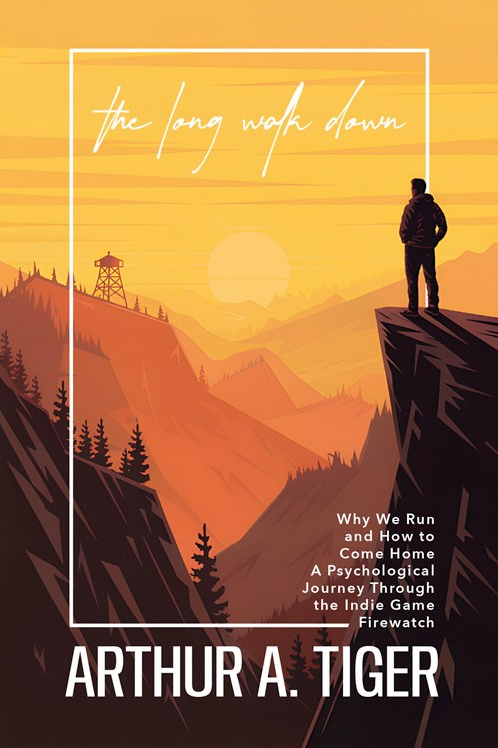
The Long Walk Down
uses the indie game Firewatch as a psychological map to analyze the universal human tendency toward escape and avoidance. It explores the mechanisms by which temporary refuges become “beautiful prisons” and details the exhaustion and honesty required to finally choose the “long walk down” back to presence and reality.
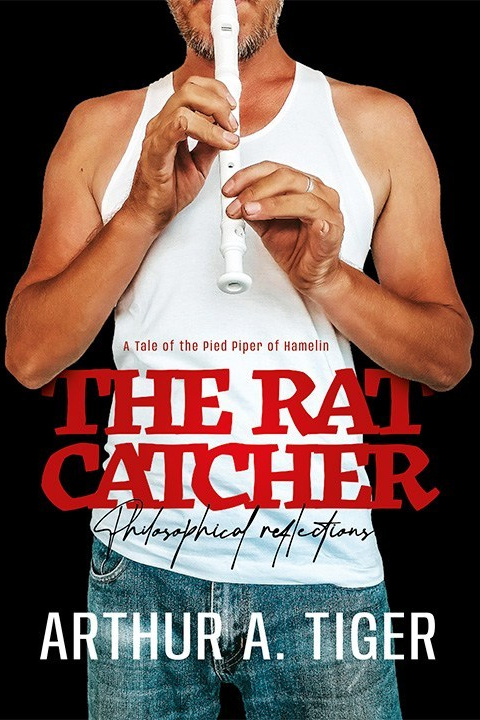
The Ratcatcher
offers philosophical reflections on the legend of the Pied Piper of Hamelin, examining themes of collective guilt, the ethics of promises, and the nature of art. It reconstructs the myth as a warning about the existential debt incurred when authority breaks its word and how a community’s moral failure can lead to a permanent rupture in its history.
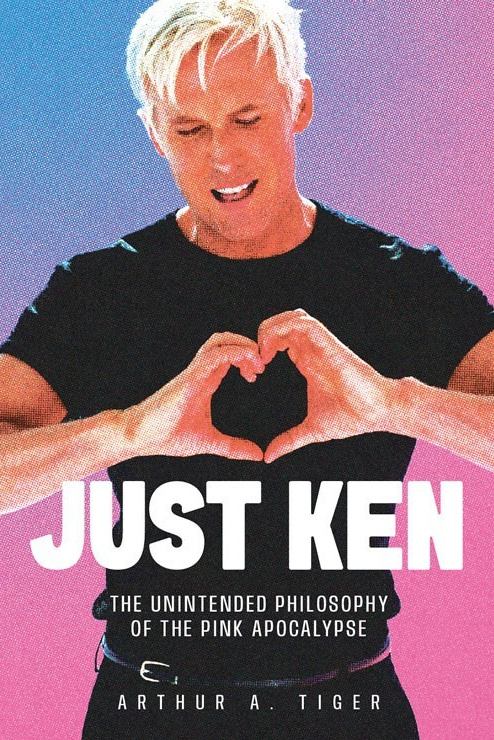
Just Ken
is a work of cultural criticism that uses the Barbie movie to explore contemporary gender relations and the “pink apocalypse” of modern connection. It investigates the existential crisis of having roles without purposes and examines why individuals might prefer the safety of assigned labels over the responsibility of authentic self-determination.
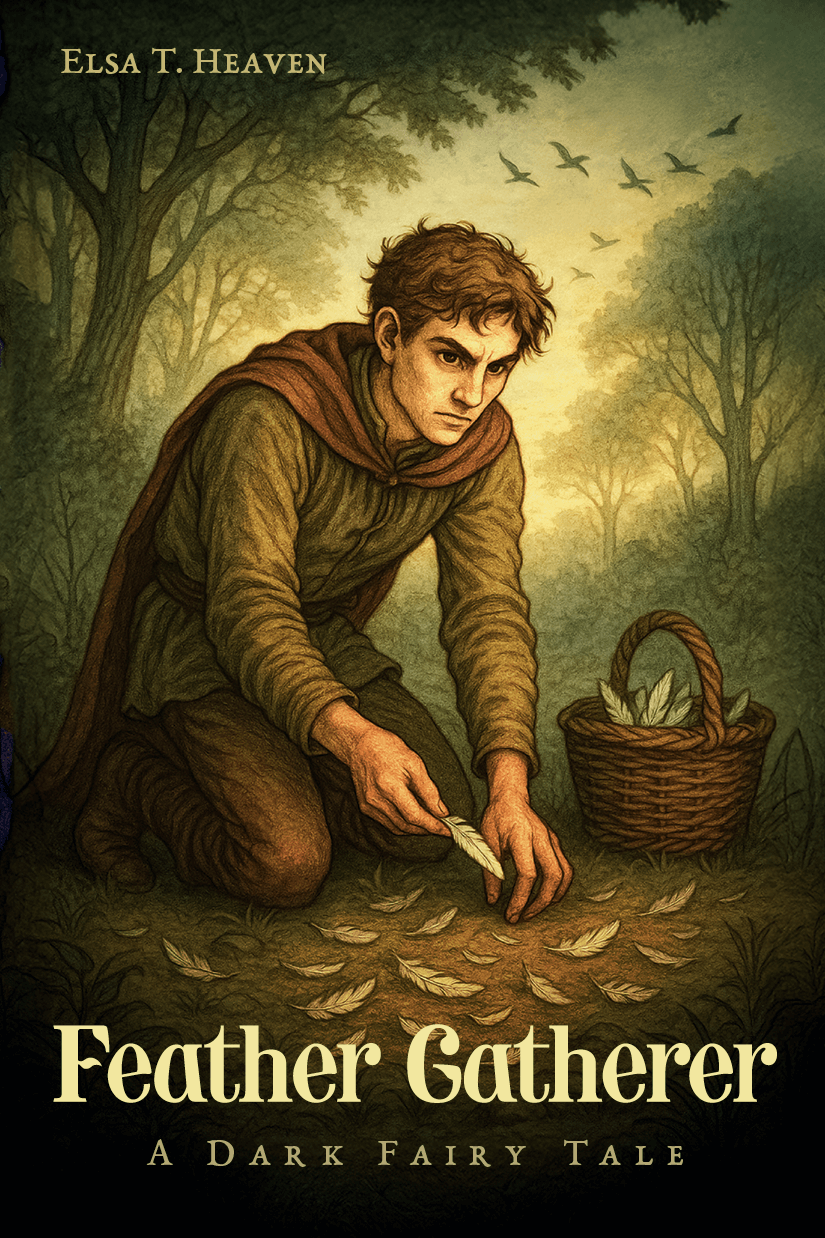
The Feather Gatherer: A Dark Fairy Tale
is a dark fairy tale about a village renowned for magical pillows that banish nightmares, until a gifted gatherer breaks the sacred laws of nature by slaughtering the birds he once protected to satisfy a growing greed. This betrayal sparks a horrific physical and moral metamorphosis, transforming the craftsman into an undying, winged monster that eventually devours the town’s children and leaves the community in ashes as an eternal legend of terror.
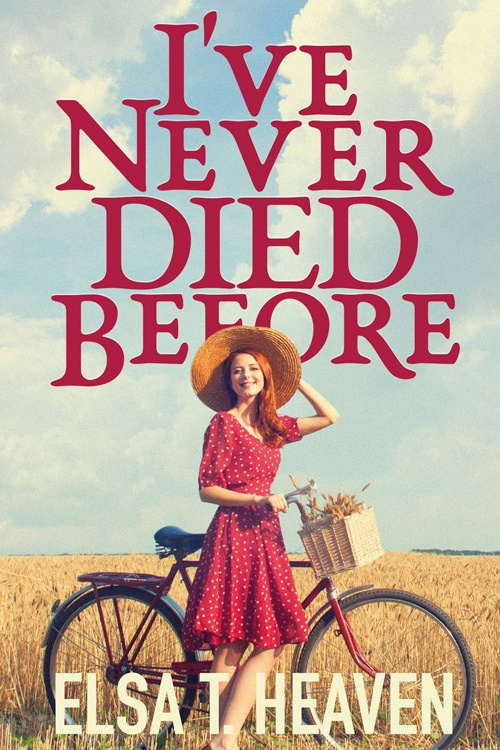
I’ve Never Died Before
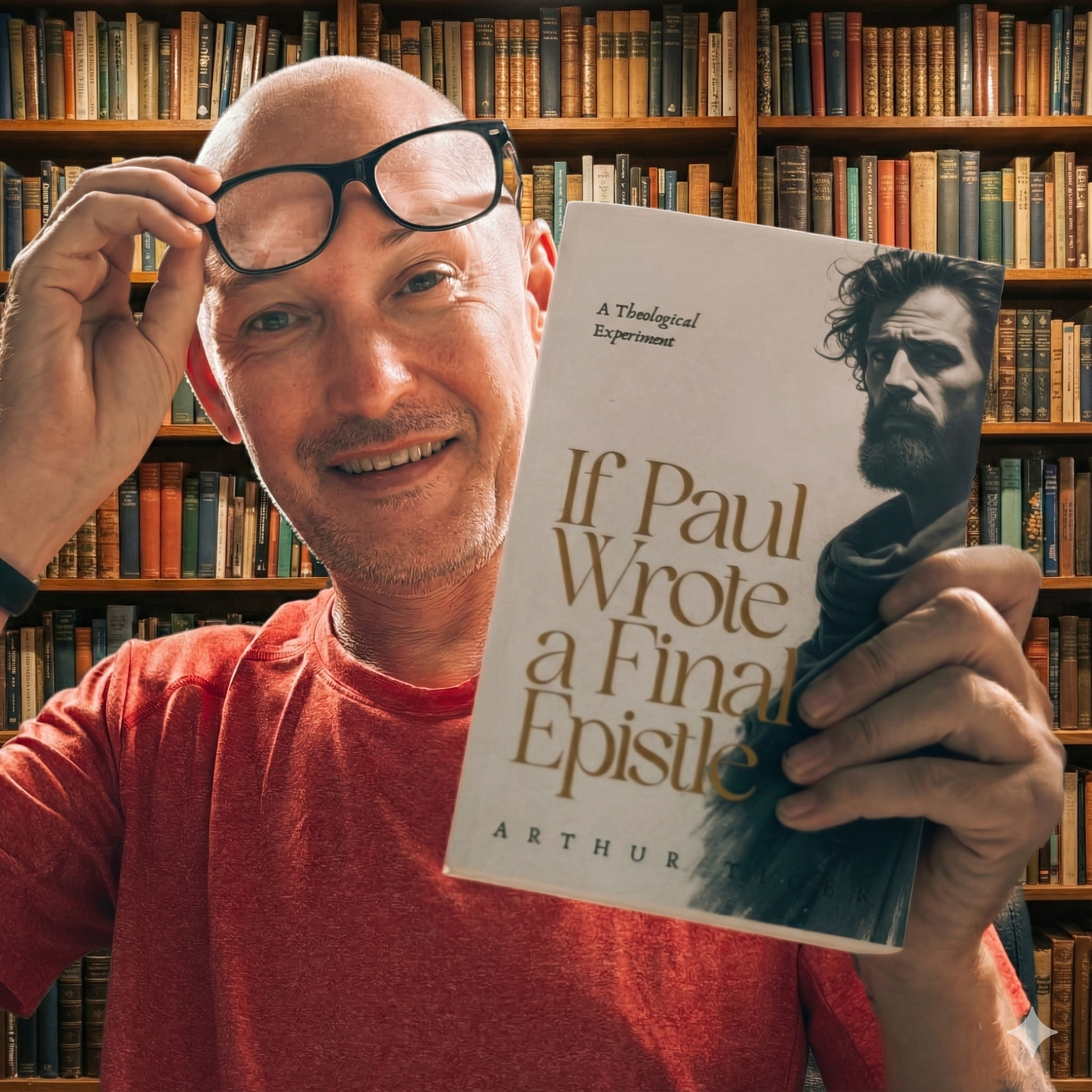
Arthur A. Tiger is a Christian writer and theologian specializing in the study of the Apostle Paul’s life and legacy. He combines an academic approach with practical application, creating both theological studies and guides for spiritual growth and relationships. His works cover a wide range of topics — from theological experiments with Paul’s lost epistles to contemporary questions of faith, psychology, and philosophy.
Dear Reader
It is with a sense of shared journey and profound gratitude that I welcome you to explore the life, mind, and enduring legacy of the Apostle Paul through these writings. For me, delving into Paul’s world—his dramatic transformation, his complex theology, his tireless ministry, and the powerful letters he left behind—has been a deeply personal and intellectually invigorating pursuit. Paul remains a figure of immense inspiration, a “chosen vessel” whose encounter with the divine fundamentally altered not only his own identity but the course of history.
In my books, whether I am attempting a creative reconstruction like a hypothetical “final epistle” or lost letters, analyzing the psychological depths of his conversion, or seeking to illuminate the core truths within his canonical writings like Romans or the shorter epistles, my aim has consistently been twofold. First, to engage rigorously with the historical context and theological substance of Paul’s message. Second, and perhaps more importantly, to bridge the gap between his ancient world and our own, making his insights accessible and demonstrating their relevance for our faith, our communities, and our personal journeys of transformation today.
I do not see these texts merely as academic subjects, but as living words carrying the potential for spiritual growth and a deeper understanding of God’s grace. My hope is that as you read, you will be not only informed but also challenged, inspired, and drawn into your own meaningful encounter with the essential Paul. Thank you for joining me in this exploration. May it enrich your understanding and encourage you on your own path of faith.
Sincerely, Arthur A. Tiger
My Calling to Theological Exploration
My Spiritual Journey
From my youth, I felt an irresistible attraction to understanding the Holy Scriptures. I remember being puzzled by a question that would later define my entire life: why are there four Gospels in the New Testament, and not just one that would encompass all the events from Christ’s life? This seemingly simple question became the beginning of my long and deep immersion into biblical texts.
In search of an answer, I took an ordinary notebook and began methodically combining narratives from the four Gospels into a single whole. I didn’t realize then that I was engaging in work similar to what theologians had undertaken for many centuries. For me, it was simply a desire to see the complete picture, to form a holistic understanding of Jesus’ life and teachings.
What began as curiosity grew into a genuine passion. I discovered that each Gospel reveals its unique perspective and theological viewpoint. Matthew, Mark, Luke, and John—each of them conveys their special view of the Savior’s ministry, and it is in their polyphony that the remarkable depth of the Christian message is revealed.
This youthful experience became the foundation of my further journey. Gradually, my notebook with excerpts evolved into extensive research. I began to meticulously study not only the Gospels but all the books of the Bible, striving to understand their historical context, cultural characteristics, and linguistic nuances. Each new discovery intensified my thirst for knowledge and deepened my understanding of God’s Word.
Over time, I realized that this was not merely academic interest. The deep study of Scripture naturally led me to desire understanding these truths at a more profound level. I saw how many people yearn to understand biblical truths but lack the keys to comprehend them. And then I felt an inner call—to continue this path of spiritual knowledge and, perhaps someday, to share these discoveries with others.
Looking back today, I understand that the boy with a notebook, diligently rewriting the Gospel lines, was already walking the path destined for him. Scripture says: “Many are called, but few are chosen.” I dare not call myself chosen, but I cannot explain that inner prompting which led me to years of Bible study as anything other than the action of Providence in my life.
My faith is grounded in the Nicene Creed:
“I believe in one God, the Father Almighty, Maker of heaven and earth, and of all things visible and invisible.
And in one Lord Jesus Christ, the Son of God, the Only-begotten, begotten of the Father before all ages; Light of Light, true God of true God, begotten, not made, of one essence with the Father, by Whom all things were made.
Who for us men and for our salvation came down from heaven, and was incarnate of the Holy Spirit and the Virgin Mary, and became man.
And was crucified for us under Pontius Pilate, and suffered, and was buried.
And the third day He rose again, according to the Scriptures.
And ascended into heaven, and sits at the right hand of the Father.
And He shall come again with glory to judge the living and the dead, Whose kingdom shall have no end.
And in the Holy Spirit, the Lord, the Giver of Life, Who proceeds from the Father, Who with the Father and the Son together is worshipped and glorified, Who spoke by the prophets.
In one, holy, catholic, and apostolic Church.
I acknowledge one baptism for the remission of sins.
I look for the resurrection of the dead, and the life of the world to come. Amen.”
This Creed is not merely a formal confession for me, but the living foundation of my understanding of Holy Scripture and Christian life as a whole.
And now, when people ask me about my path in studying theology, I tell them this story—a story of how a simple question can open a door to the boundless world of spiritual knowledge, and how a sincere search for truth can become the beginning of a special calling in a person’s life.